Scientists find that ‘little voice’ in your head
Scientists claim to have found the ‘little voice’ in your head that pipes up when you start to think twice about sending that angry e-mail.
Scientists claim to have found the ‘little voice’ in your head that pipes up when you start to think twice about sending that angry e-mail.
| |
| Your 'little voice' could stop you sending that angry email |
Professor Patrick Haggard, of the UCL Institute of Neuroscience, said: “Many people recognise the ‘little voice inside the head’ that stops you from doing something, like pressing the send button on an angry email. Quite often we have an immediate desire to perform an action, but reflecting on the wider consequences could, and sometimes should, make us cancel the action. Our study identifies the brain processes involved in that last-minute rethink about what we’re doing.”
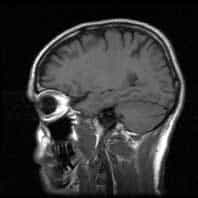
Brain activity in the fronto-median cortex was monitored using fMRI brain-imaging while volunteers made up their minds when to push a button. Prior to the test participants were asked to change their minds occasionally by deciding against pushing the button at the last minute. A small area in the anterior fronto-median cortex of the brain was active only when people inhibited an action they had previously prepared. When people prepared and actually went through with the action, this area was considerably less active.
The researchers were able to predict to some degree how often individual volunteers inhibited actions from the brain activity in the fronto-median cortex. Those with strong activity in this area withheld actions frequently, while those with weak activity pressed the button more frequently, despite the instruction to sometimes withhold action.
Professor Haggard said: “This could be a factor in why some individuals are impulsive, while others are reluctant to act. The ability to check, reconsider and withhold an action is essential given the complex social settings in which we live.”
The work was published in the Journal of Neuroscience.