
Ebola and the interplay of research incentives and finance
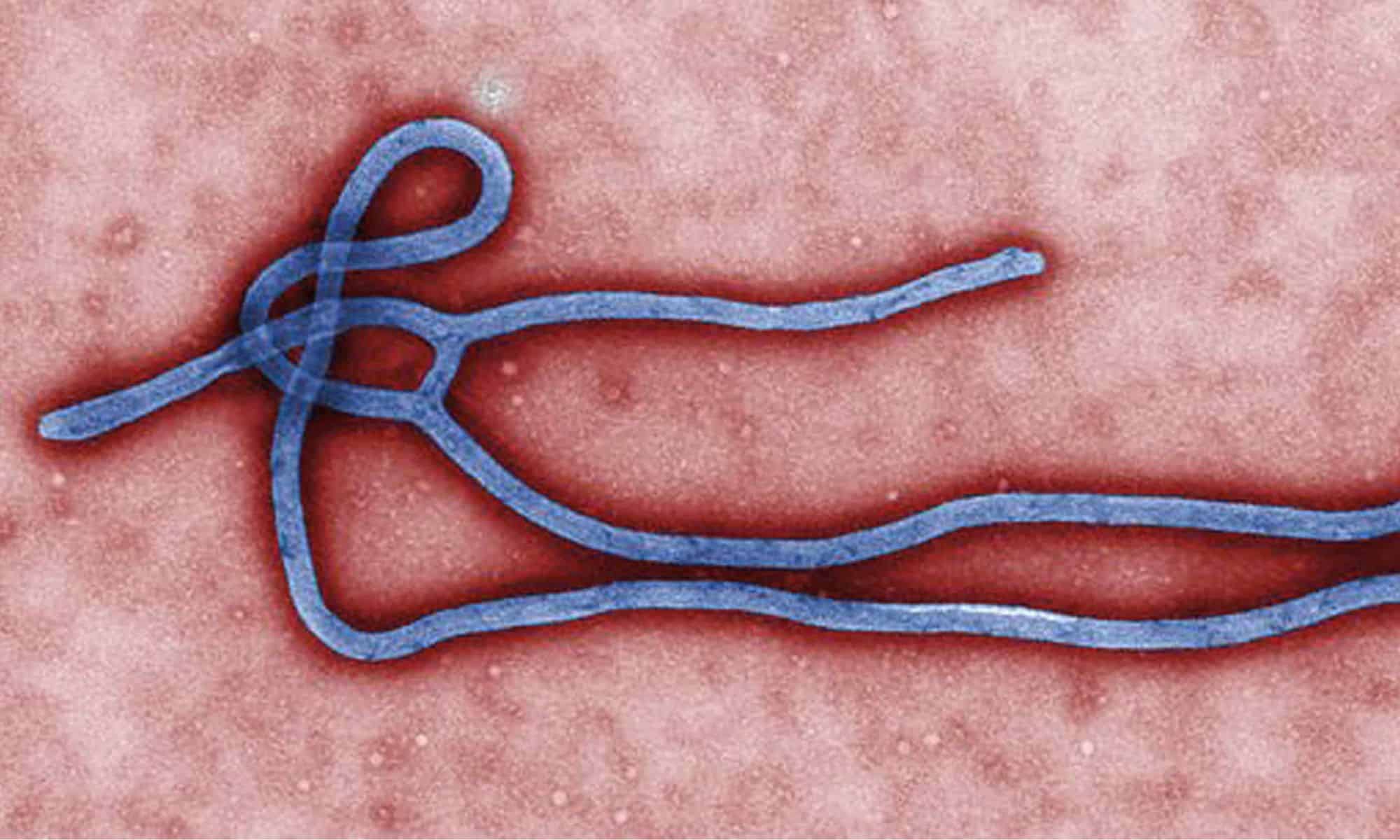
We all recognise this picture. It is the Ebola virus, of course. What you likely won’t realise is that it was taken 50 years ago, writes Brian J Ford.
The virologist was Frederick A. Murphy at the Centers for Disease Control in Atlanta, and this virion was isolated from a specimen collected in Zaire, now the Democratic Republic of the Congo (DRC), during the first recorded outbreak of Ebola in 1976.
There were then 284 recorded cases, and 151 deaths – a fatality rate over 50%. Workers at a cotton factory in Nzara had contracted it from infected fruit bats, possibly in a warehouse. There was another outbreak that year with 318 cases and 280 deaths, a fatality rate over 80%.
It was a young Belgian virologist, Peter Piot, who first isolated the new filovirus in Antwerp. Initially it was thought to be Marburg virus, but it was soon renamed Orthoebolavirus zairense, or EBOV. The latest outbreak in Ituri Province of the DRC is the seventeenth outbreak of Ebola over 50 years and is caused by a different species, Bundibugyo ebolavirus. Currently there are 246 suspected cases and over 80 deaths.
Covid-19 and ’flu are spread by respiratory droplets, but Ebola spreads only through bodily fluids. Covid-19 patients shed virus before symptoms appear. There is no such delay with Ebola. It is therefore not as infectious, so a global pandemic (which the press are talking about) is unlikely. WHO declared it a Public Health Emergency of International Concern (PHEIC) on 17 May, but not a pandemic emergency.
The greatest risks are to staff caring for distressed and dying patients, for they are reckoned to be 40 times more likely to be infected than the general population, and are at risk from changing personal protection equipment (PPE) particularly when exhausted after a shift.
Research is aiming to develop vaccines against all filovirus infections, by targeting surface markers. At Oxford University, for example, they are aiming to use an adenovirus genetically engineered to invoke an immune response to all filovirus glycoproteins, while Moderna are concentrating on lipid nanoparticles designed to carry mRNA that would be recognised by the immune system.
Ebola vaccines have not been prioritised, mainly because of finance since sporadic outbreaks in impoverished African communities are not economically attractive. In 2014, the Director-General of the World Health Organisation (WHO) Professor Margaret Chan put it clearly: “The R&D incentive is virtually non-existent. A profit-driven industry does not invest in products for markets that cannot pay.”
There are now two vaccines against the Zaire virus, one by Merck and a two-dose inoculation by Janssen, but neither works against the current virus.
President Trump had the USA quit the WHO earlier this year, just at a time when finance is crucially important. And the anti-vaccine movement has been gaining strength … but you can bet that, if there are cases in the States and a vaccine is announced, those objectors will be first in the queue.
Related Content

African biopharma Minapharm receives up to £12m-plus to advance Bundibugyo Ebola vaccine
African biopharmaceutical company Minapharm Group is to receive up to $16.5m (£12.2m) from the Coalition for Epidemic Preparedness Innovations (CEPI) …

Poultry sector structure ‘key’ to resilience against avian flu says research
The structure of Great Britain’s poultry industry could play an important role in its resilience to high pathogenicity avian influenza …

Harness your greatest fan
Follow the news and there’s much confusion about keeping cool. Today’s summary on the BBC recommends drawing your curtains and …

